
Garden Redesign
Garden redesign transforms a photo of an outdoor space into planting, path, and seating concepts for the garden you already have.
Garden Redesign examples
AI-generated examples. Use these prompts as a starting point; your results will vary.
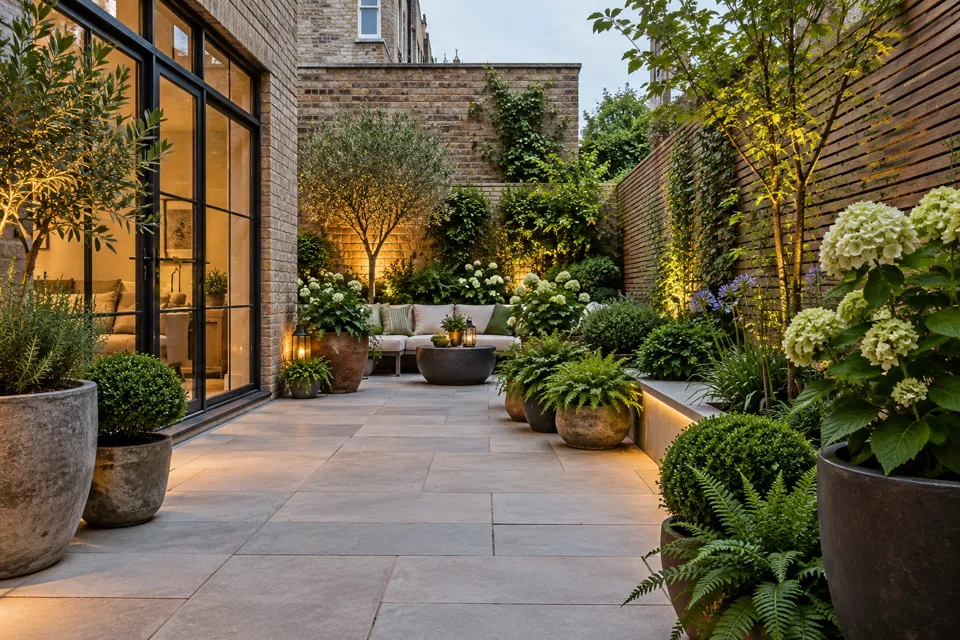
Photorealistic architectural design visualization: Small enclosed courtyard garden with container planting and clear paved path. Realistic perspective, wide composition, no people, no text, no watermark.
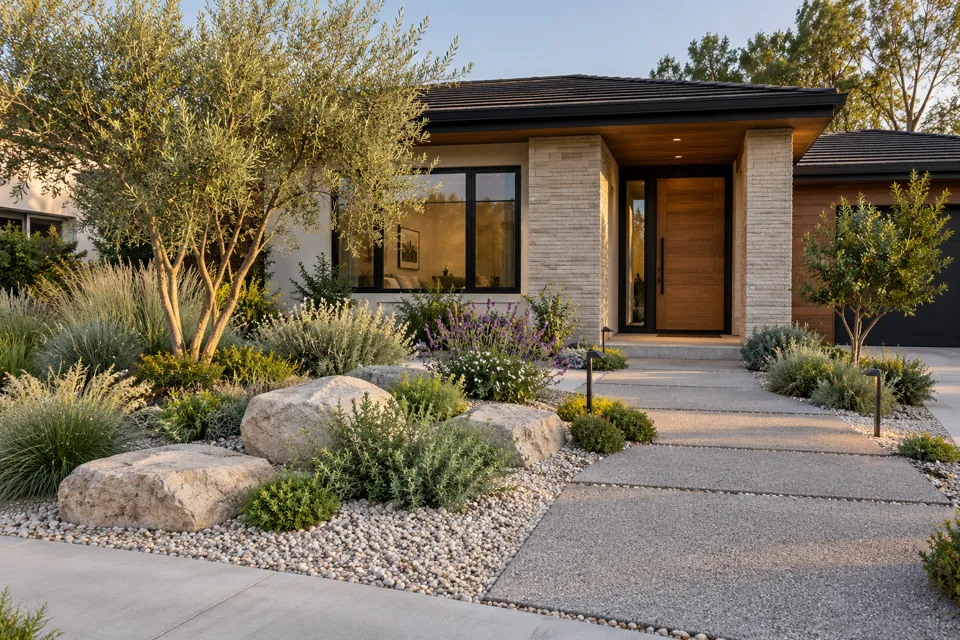
Photorealistic architectural design visualization: Low-water front garden with gravel, drought-tolerant shrubs and permeable walkway. Realistic perspective, wide composition, no people, no text, no watermark.
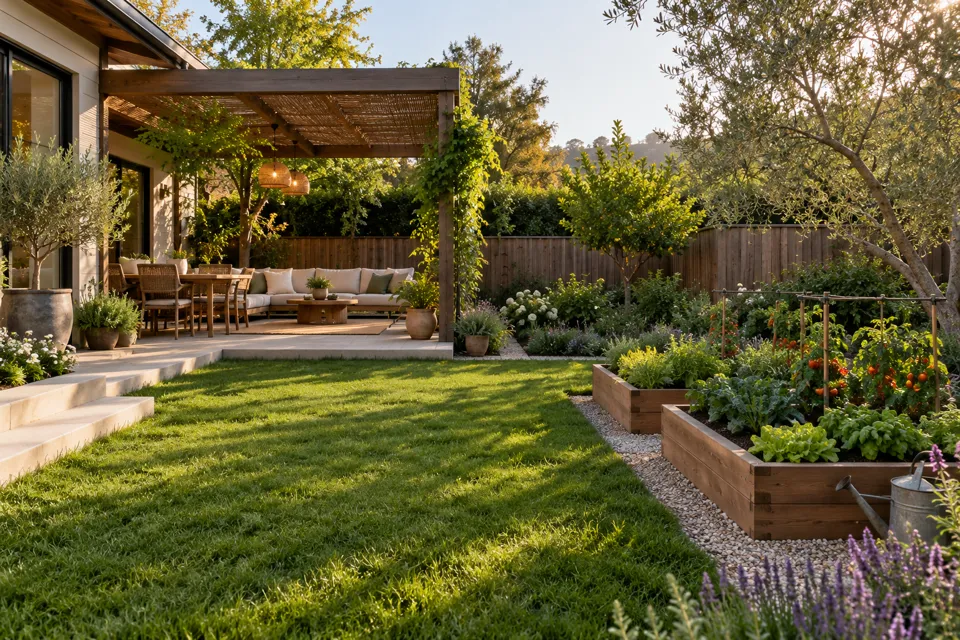
Photorealistic architectural design visualization: Family backyard garden with lawn, raised vegetable beds and shaded seating. Realistic perspective, wide composition, no people, no text, no watermark.


Empty room → staged listing.
We restyle a room you already furnished. Collov furnishes an empty one — the shot that actually sells a listing — and does the jobs a free tool won’t touch.
- Stage empty rooms for listings
- Remove the furniture that’s already there
- Twilight exteriors & lawn replacement
- Commercial licence · no hourly limit
How to try garden redesign
Photograph the whole space
Photograph your garden from an angle that shows boundaries, entrances, existing trees, and the relationship to the house.
Describe what must stay
Keep the existing structure visible. Use the notes to name fixed features and the changes you want to compare.
Compare and check your concept
Generate a version, compare it with your photo, and measure the actual space before buying materials or furniture.
Practical tips for garden redesign
Photograph your garden from an angle that shows boundaries, entrances, existing trees, and the relationship to the house. A useful garden concept begins with conditions: mention your climate, how much sun the area receives, whether water is limited, and what you need the garden to do. A courtyard for sitting, a family play garden, and vegetable beds have different priorities even when they share the same space.
Start with paths and usable zones before adding plants. Keep the route to gates and doors open, place seating where it can be reached without crossing beds, and describe any tree that must remain. For a low-water garden, request drought-tolerant planting, permeable surfaces, and mulch. For a small enclosed courtyard, compare containers and vertical planting with a narrow planted border instead of filling the center with shrubs.
The generated view is an inspiration image rather than a planting or construction plan. It does not identify underground utilities, assess soil, calculate drainage, or prove that a plant will survive your winter. Check mature plant sizes and local suitability with a nursery before buying. Verify levels and water runoff before changing paving, and measure furniture against actual path widths. Download the image you prefer, then annotate the areas you want to keep, the maintenance you can manage, and the changes that need a professional site assessment.
Explore LandscapeGPT’s front yard landscaping ideas and backyard design ideas.
Explore other spaces
Plan another room using your own photo.
Kitchen Redesign
Kitchen redesign uses a photo of your existing kitchen to visualize new cabinets, surfaces, lighting, and finishes before renovation.
Free AI Virtual Staging
AI virtual staging adds furniture and decor to a room photo so sellers and agents can show how an empty space might be used.
Home Office Design
Home office design turns a photo of your workspace into a furnishing concept with a desk, storage, lighting, and a clearer working layout.
Garden Redesign questions
Can I design a low-water garden?
Mention your climate, sun exposure, and watering limits. Ask for drought-tolerant plants, mulch, and permeable paths, then verify plant choices locally.
Can I keep existing trees and paths?
Specify which trees, boundaries, and paths must remain. Compare the generated image against your photo because details can drift.
Does the result include a planting schedule?
No. It is a visual concept. Confirm plant species, mature sizes, soil needs, drainage, and seasonal suitability separately.